
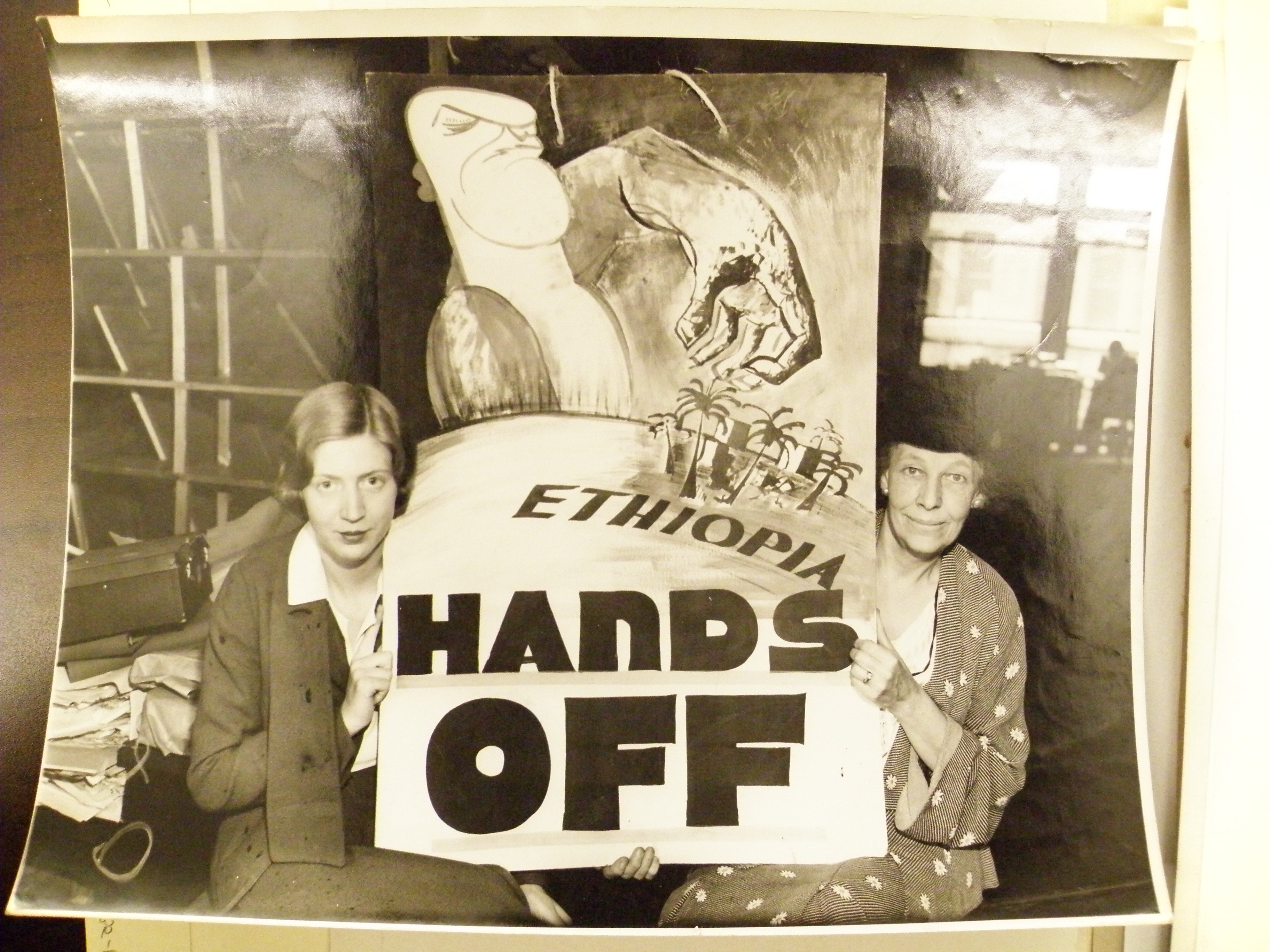
This autumn the Locating Global Protest project continues its work in public, returning to a question that has shaped the research from the start.
Friday 11 September 2026, 13:00–15:00 (EEST)
Main Stage, Think Corner, Yliopistonkatu 4, University of Helsinki
What do fascism and colonialism have to do with each other? Could they be understood not as separate histories, but as interconnected forms of power?
This public panel takes up a provocative question that was widely discussed in the 1930s and later faded from mainstream scholarship. At the time, many anti-colonial and anti-fascist thinkers — especially in Africa, Asia, and the Caribbean — saw fascism as closely linked to colonial rule, describing it as an extension or intensification of imperial violence and racial hierarchy.
After the Second World War, however, these connections were largely set aside. Fascism and colonialism came to be studied separately, often within different academic traditions and geographical frames.
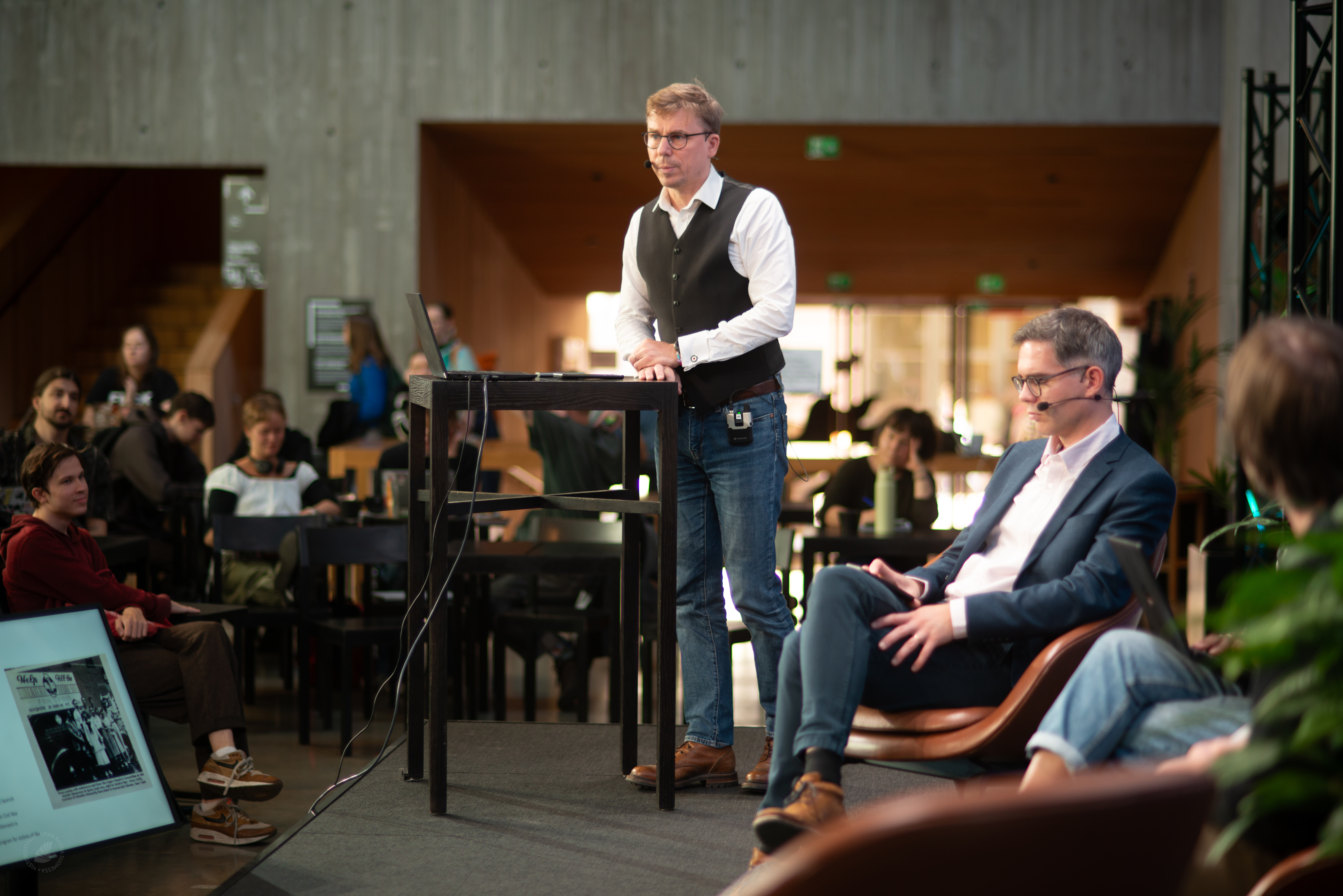
In this event, Kasper Braskén, Moshumee Dewoo, and Shane Little, along with Teivo Teivainen and Oula Silvenoinnen return to these earlier perspectives and examine what happens when the two histories are placed side by side again. Drawing on sources from the 1930s to the 1950s, the panel explores both the connections and the differences between colonial and fascist systems, as well as the global networks of resistance that linked them.
Short presentations will be followed by an open, moderated conversation: What new insights emerge when these histories are thought together — and why might that matter today?
Organised by the Locating Global Protest project, University of Helsinki, in collaboration with Historians without Borders in Finland.
The event is open to all. For those who cannot attend in person, please join us on our live stream: https://tiedekulmamedia.helsinki.fi/en/tiedekulma/event/details/430733001


Leave a Reply